


I am a landscape designer and have been purchasing 1000's of spring flowering bulbs from A.D.R. Bulbs for 100's of clients in the last 20 years. The bulbs have always been of top quality and if there were any problems, they have been quick to rectify. My orders are often complicated with many varieties and different amounts and they have always filled and delivered everything on time with the best customer care and attention to detail. The pictures in their catalog and website are beautiful. I have visited their facility in NY and was impressed with all their handling equipment and organization. I would highly recommend A.D.R. Bulbs to anyone in the wholesale trade who wants to purchase quality bulbs and work with genuinely nice people.
Nancy Greenlee
, From The Ground Up
« Previous Plant | Next Plant »
Tulipa Single Late 'Dordogne'
Tulip
Introduced in 1991, Dordogne is a Single Late tulip, prized for its large, goblet-shaped flowers in rose, transitioning to red and tangerine orange at the edges. It blooms in late spring, standing on tall, sturdy stems that reach 24 to 26 inches.
This variety thrives in full sun with rich, well-drained soil and is known for its color-shifting effect in different lighting conditions—appearing more fluorescent before a storm and fiery in bright sunlight. It has received the Award of Garden Merit from the Royal Horticultural Society. A sport of Menton.
Recommended Substitutes for Tulipa Single Late 'Dordogne'

Tulipa Calculator
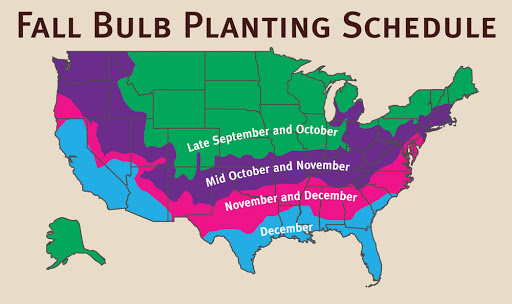
When should I plant Tulipa Single Late 'Dordogne'?
Growing and Maintenance Tips for Tulipa Single Late 'Dordogne'
Planting: Plant in fall when soil temperatures drop below 55°F. Set bulbs 6–8 inches deep with the pointed end up. Choose a sunny, sheltered site to protect their tall stems and graceful blooms from wind.
Spacing: Space bulbs 4–6 inches apart. For a dramatic effect, plant in groups of 10 or more—ideal for borders, cutting gardens, or formal displays.
Light: Full sun encourages strong stems and rich color. While light shade is tolerated, consistent sun enhances bloom longevity and form.
Soil: Use well-drained, neutral to slightly acidic soil (pH 6–7). Avoid poorly drained areas—French tulips are sensitive to bulb rot in wet spring conditions.
Watering: Water after planting to settle the soil. In spring, water only during prolonged dry spells to maintain bloom integrity without over-saturating the roots.
Temperature & Dormancy: Requires 12–16 weeks of cold (below 50°F) for root development and bud initiation.
Fertilization: Apply a balanced bulb fertilizer when planting and again in early spring as shoots emerge to support stem strength and bloom quality.
Pests: Squirrels may disturb bulbs—use mesh or mulch to deter them. Deer will eat buds and foliage, especially early in spring, so use fencing or repellents in high-pressure areas.
Disease: To prevent Botrytis (Tulip Fire), plant only healthy, firm bulbs in sunny, well-ventilated areas. Avoid overhead watering and remove any infected material—never compost. Rotate planting zones annually and avoid replanting in affected sites for at least three years.
Plant Characteristics
Additional Information
| Height | 24 Inches |
| Spread | 2-4 Inches |
| Spacing | 4-6 Inches |
| Hardiness Zone | 3-8 |
| Color |
Orange |


Check back soon for additional details.