

We love the selection of bulbs available from A.D.R. The variety is great, the quality is excellent and the price is fair. However, the best part of working with A.D.R is the customer service from Chris, Walter and all of the team. They go out of their way to make sure ours needs are met.
Leah and Mark
, Wild Hare Farm
« Previous Plant | Next Plant »
Tulipa Single Late 'Catherina'
Tulip
Catherina is a Single Late tulip, known for its large, creamy-white, egg-shaped flowers with broad ivory-white petal edges and a buttercup-yellow base. It blooms in late spring, standing on tall, sturdy stems that reach 24 inches.
This variety thrives in full sun to partial shade with well-drained soil and is prized for its classic, elegant form, making it a standout in borders, cut flower arrangements, and mass plantings. A popular alternative to the classic Tulip Maureen which is no longer widely grown.
Recommended Substitutes for Tulipa Single Late 'Catherina'


Tulipa Calculator
When should I plant Tulipa Single Late 'Catherina'?
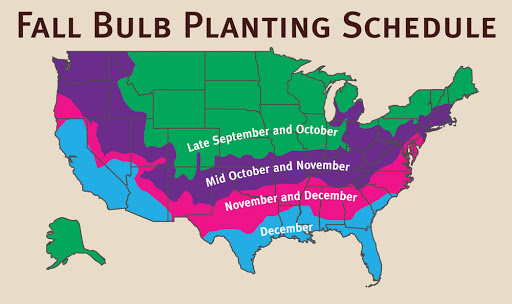
Growing and Maintenance Tips for Tulipa Single Late 'Catherina'
Planting: Plant in fall when soil temperatures drop below 55°F. Set bulbs 6–8 inches deep with the pointed end up. Choose a sunny, sheltered site to protect their tall stems and graceful blooms from wind.
Spacing: Space bulbs 4–6 inches apart. For a dramatic effect, plant in groups of 10 or more—ideal for borders, cutting gardens, or formal displays.
Light: Full sun encourages strong stems and rich color. While light shade is tolerated, consistent sun enhances bloom longevity and form.
Soil: Use well-drained, neutral to slightly acidic soil (pH 6–7). Avoid poorly drained areas—French tulips are sensitive to bulb rot in wet spring conditions.
Watering: Water after planting to settle the soil. In spring, water only during prolonged dry spells to maintain bloom integrity without over-saturating the roots.
Temperature & Dormancy: Requires 12–16 weeks of cold (below 50°F) for root development and bud initiation.
Fertilization: Apply a balanced bulb fertilizer when planting and again in early spring as shoots emerge to support stem strength and bloom quality.
Pests: Squirrels may disturb bulbs—use mesh or mulch to deter them. Deer will eat buds and foliage, especially early in spring, so use fencing or repellents in high-pressure areas.
Disease: To prevent Botrytis (Tulip Fire), plant only healthy, firm bulbs in sunny, well-ventilated areas. Avoid overhead watering and remove any infected material—never compost. Rotate planting zones annually and avoid replanting in affected sites for at least three years.
Plant Characteristics
Additional Information
| Height | 24 Inches |
| Spread | 2-4 Inches |
| Spacing | 4-6 Inches |
| Hardiness Zone | 3-8 |
| Color |
White |


Check back soon for additional details.