

For the past ten years, we've had the good fortune of ordering thousands of bulbs from A.D.R. each fall to help further beautify Newport, RI. Not only is the quality of the bulbs outstanding, so is their customer service and attention to detail.
John Hirschboeck
, Daffodillion
« Previous Plant | Next Plant »
Tulipa Triumph 'Denmark'
Tulip
Denmark is a Triumph tulip, celebrated for its bold red blooms brushed with warm orange undertones and a glowing, sunlit center. It blooms in mid‑spring on medium‑height, sturdy stems that reach 14 to 16 inches, offering a strong, reliable presence in the garden.
This variety thrives in full sun with well‑drained soil and is valued for its long‑lasting, weather‑resistant flowers that hold up beautifully through unpredictable spring conditions. Denmark is an excellent choice for forcing in pots, as well as for landscaping and cut‑flower production.
| Description | Price | |||
|---|---|---|---|---|
| Bin Display Box of 100 Bulbs, Size 12/+ cm | $52.00 | |||
Get Notified When Back In StockComplete this form and we'll notify you when SKU BIN1000398 is restocked. | ||||
| Bulk Tray of 500 Bulbs, Size 12/+ cm | $220.00 | |||
Get Notified When Back In StockComplete this form and we'll notify you when SKU BUL11000779 is restocked. | ||||
Tulipa Calculator
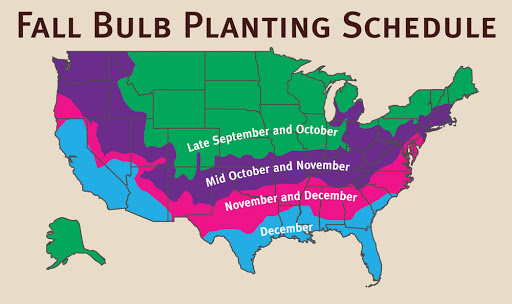
When should I plant Tulipa Triumph 'Denmark'?
Growing and Maintenance Tips for Tulipa Triumph 'Denmark'
Planting: Plant in fall when soil temperatures drop below 55°F. Set bulbs 6–8 inches deep with the pointed end up. Triumph tulips adapt well to borders, containers, and large-scale plantings thanks to their uniform habit and wide color range.
Spacing: Space bulbs 4–6 inches apart. For a cohesive display, plant in groups of 10 or more—ideal for both solid color blocks and curated mixes.
Light: Full sun encourages strong, upright stems and bold color. While light shade is tolerated, performance is best with at least 6 hours of direct light.
Soil: Provide well-drained, neutral to slightly acidic soil (pH 6–7). In poorly drained areas, amend soil or raise beds to prevent bulb rot.
Watering: Water after planting to settle the soil. During spring, water only in extended dry spells—too much moisture can shorten bloom duration.
Temperature & Dormancy: Requires 12–16 weeks of cold (below 50°F) for proper rooting and flower initiation.
Fertilization: Apply a balanced bulb fertilizer when planting and again in spring as foliage emerges to support stem strength and bloom quality.
Pests: Squirrels may dig recently planted bulbs—use mulch or mesh to deter them. Deer will eat buds and foliage, especially in early spring, so apply repellents or fence vulnerable areas.
Disease: To prevent Botrytis (Tulip Fire), plant only healthy bulbs in sunny, airy spots. Avoid overhead watering. Remove and destroy any infected plant material—do not compost. Rotate planting locations yearly and avoid replanting in previously affected sites for three years.


Check back soon for additional details.