
For the past ten years, we've had the good fortune of ordering thousands of bulbs from A.D.R. each fall to help further beautify Newport, RI. Not only is the quality of the bulbs outstanding, so is their customer service and attention to detail.
John Hirschboeck
, Daffodillion
« Previous Plant | Next Plant »
Tulipa Parrot 'Amazing Parrot'
Tulip
Tulip ‘Amazing Parrot’ is a Parrot Tulip celebrated for its massive, flamboyantly ruffled blooms and dramatic, painterly coloration. The flowers open in vivid magenta‑rose and deep raspberry tones, heavily feathered and flamed with creamy white and soft pink streaks. As the petals unfurl, their deeply cut, scalloped edges twist and curl, giving each bloom a bold, sculptural presence. Strong stems reach 18 to 22 inches, supporting flowers that can span up to 6 inches across, making this variety a true showpiece in the late‑spring garden.
Blooming in late spring, it thrives in full sun and well‑drained soil, ideal for borders, mass plantings, and dramatic cut arrangements.
322
Tulipa Calculator
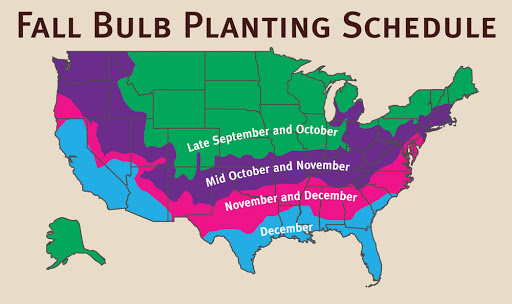
When should I plant Tulipa Parrot 'Amazing Parrot'?
Growing and Maintenance Tips for Tulipa Parrot 'Amazing Parrot'
Planting: Plant in fall when soil temperatures drop below 55°F. Set bulbs 6–8 inches deep, pointed end up. Choose a sunny, sheltered location to protect their large, irregular blooms from strong wind and spring storms.
Spacing: Space bulbs 4–6 inches apart. For full visual impact, plant 10 or more together—these tulips shine in bold, theatrical groupings.
Light: Full sun enhances color intensity and stem strength. Though tolerant of light shade, stronger light preserves bloom structure and vivid contrast.
Soil: Use well-drained, neutral to slightly acidic soil (pH 6–7). Poor drainage increases risk of rot—especially for these heavy-headed, late-season types.
Watering: Water after planting to settle soil. In spring, water only during dry periods—excess moisture can weaken stems and damage blooms.
Temperature & Dormancy: Requires 12–16 weeks of cold (below 50°F) to root and initiate flowering.
Fertilization: Apply balanced bulb fertilizer at planting and again in early spring to support strong stems and petal development.
Pests: Squirrels may disturb bulbs—protect with mulch or mesh. Deer will eat buds and foliage, especially in early spring—use repellents or fencing in high-pressure areas.
Disease: To prevent Botrytis (Tulip Fire), plant only healthy, firm bulbs in sunny, airy beds. Avoid overhead watering. Remove and destroy any infected foliage—never compost. Rotate sites annually and avoid replanting in affected areas for three years.
Plant Characteristics
Additional Information
| Height | 20 Inches |
| Spread | 2-4 Inches |
| Spacing | 4-6 Inches |
| Hardiness Zone | 3-8 |
| Color |
Multi-Color Pink Yellow |


Check back soon for additional details.