

I’ve been purchasing bulbs from A.D.R. for many years. The quality is superior and the service fantastic. Chris and his family have always been prompt and accommodating. If you need it, Chris can find it! I wouldn’t shop anywhere else!
Anna Myatt
, Myatt Landscaping
« Previous Plant | Next Plant »
Tulipa Greigii 'Quebec'
Tulip
Quebec is a Greigii tulip known for its multi-flowering habit, producing 3 to 5 blooms per stem. Its scarlet petals are edged with buttercup yellow. This variety blooms in mid-spring, reaching 12 to 14 inches tall. The foliage is mottled with purple markings, adding extra visual interest. A sport of Toronto.
Tulipa Calculator
When should I plant Tulipa Greigii 'Quebec'?
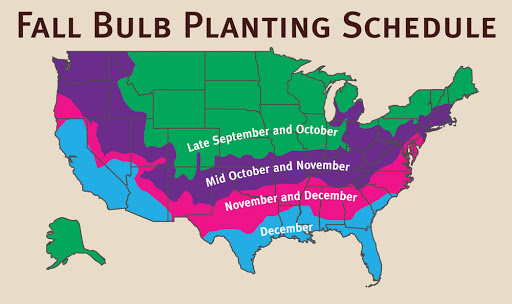
Growing and Maintenance Tips for Tulipa Greigii 'Quebec'
Planting: Plant in fall when soil temperatures fall below 55°F. Set bulbs 6–8 inches deep with the pointed end facing up. Greigii tulips enjoy sunny spots where their low profile and decorative foliage can be appreciated up close.
Spacing: Space bulbs 4–6 inches apart. Cluster 10 or more for a strong visual impact—especially effective in front borders or containers where foliage and bloom color can shine.
Light: Full sun yields the best flowering and leaf coloration. Light shade is tolerated, but consistent sunlight encourages sturdy growth.
Soil: Prefers well-drained, neutral to slightly acidic soil (pH 6–7). Avoid poorly drained areas—this compact class is sensitive to rot in wet conditions.
Watering: Water after planting to settle the soil. During spring, water only when dry weather persists—overwatering may reduce flower longevity.
Temperature & Dormancy: Needs 12–16 weeks of cold (below 50°F) to develop strong roots and flower buds.
Fertilization: Apply a balanced bulb fertilizer at planting and again when foliage emerges to support strong stems and consistent early bloom.
Pests: Generally low-maintenance. Squirrels can be deterred with mulch or mesh. Deer will eat buds and early foliage—especially in spring—so use repellents or fencing in high-pressure areas.
Disease: To prevent Botrytis (Tulip Fire), use only healthy, firm bulbs and plant in sunny, well-ventilated locations. Avoid overhead irrigation and discard any infected foliage—do not compost. Rotate tulip planting areas annually and avoid replanting in affected sites for three years.


Check back soon for additional details.