
Over 100,000 daffodil bulbs have been planted in the City of White Plains since 2014 when White Plains Beautification Foundation started The Daffodil Project. With the expertise of Walter & Chris Ruigrok from A.D.R. Bulbs our public spaces have dazzled with daffodils. A.D.R. offers a wonderful range of choices and excellent quality bulbs at competitive pricing, and supported by excellent customer service. WPBF values its long-standing relationship with A.D.R. Bulbs.
Joanna Daddario
, White Plains Beautification Foundation
« Previous Plant | Next Plant »
Tulipa Double Late 'Canyon'
Tulip
Tulip Canyon is a sophisticated Double Late variety with lush, peony-like blooms that display a decadent, velvety maroon-purple hue. Its sturdy stems reach 14 to 20 inches, supporting blossoms that open to nearly 3 inches across. Multi-layered flowers that reveal a rich, chocolatey depth when they catch the sun. Blooming in late spring, it thrives in full sun and well-drained soil, making it a dramatic choice for elegant borders, container displays, and long-lasting cut arrangements.
| Description | Price | |||
|---|---|---|---|---|
| Bin Display Box of 125 Bulbs, Size 11/12 cm | $66.25 | |||
Get Notified When Back In StockComplete this form and we'll notify you when SKU BIN1000357 is restocked. | ||||
| Bulk Tray of 700 Bulbs, Size 11/12 cm | $315.00 | |||
Get Notified When Back In StockComplete this form and we'll notify you when SKU BUL11000755 is restocked. | ||||
Tulipa Calculator
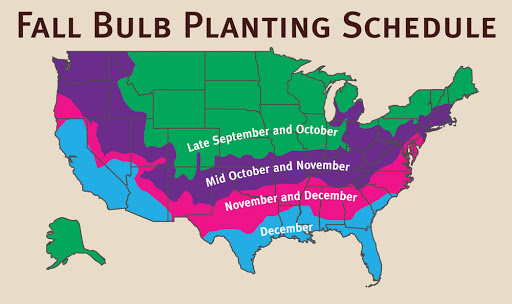
When should I plant Tulipa Double Late 'Canyon'?
Growing and Maintenance Tips for Tulipa Double Late 'Canyon'
Planting: Plant in fall after soil temperatures fall below 55°F. Set bulbs 6–8 inches deep, pointed end up. Choose a location with some shelter to help support the heavier, fully double blooms that emerge late in the season.
Spacing: Space bulbs 4–6 inches apart. For a bold effect, plant in groups of 10 or more—this amplifies the fullness of their densely petaled flowers.
Light: Full sun ensures the best floral display. They will handle light shade, but expect fewer blooms with less than 6 hours of sun.
Soil: Prefers well-drained, neutral to slightly acidic soils (pH 6–7). Avoid heavy or poorly drained spots to prevent bulb rot—especially important given their longer growth cycle.
Watering: Water after planting to settle the soil. In spring, water during prolonged dry spells, ensuring the soil doesn’t stay soggy as these large blooms are more prone to damage from excess moisture.
Temperature & Dormancy: Requires 12–16 weeks of cold (below 50°F) to develop strong roots and initiate flower buds.
Fertilization: Apply a balanced bulb fertilizer at planting and again in spring as shoots appear to support robust stems and large flowers.
Pests: Typically low-maintenance. Mulch or mesh can help deter squirrels. Provide good drainage to avoid rot. Deer will eat the flower buds or emerging foliage, especially in early spring. Protect with fencing or repellents in high-pressure areas.
Disease: To help prevent Botrytis (Tulip Fire), plant only healthy bulbs in sunny, airy locations with good drainage. Avoid overhead watering, and remove any suspect foliage immediately—do not compost. Rotate plantings regularly; if Botrytis has occurred, avoid the site for at least three years.


Check back soon for additional details.