

I have worked with A.D.R. Bulbs for almost 5 years now, and my company has sourced bulbs with them for longer than that. Communication is great - from ordering, to deliveries, to follow-ups on final product. I love the quality of the product as well as the service. We plant nearly 100,000 bulbs and A.D.R. keeps the whole process easy for us!
Louise Licata
, Bland Landscaping Co.
« Previous Plant | Next Plant »
Narcissi Butterfly 'Orangery'
Daffodil
Narcissus 'Orangery' is a split-corona daffodil, reaching 14 to 16 inches in height. It produces large, ivory-white petals with a tangerine-orange split corona, creating a layered, butterfly-like effect. The blooms appear in mid-spring and are lightly fragrant, making them excellent for cut arrangements. Thriving in full sun to part shade, 'Orangery' prefers well-drained soil and is deer-resistant, rabbit-resistant, and drought-tolerant.
| Description | Price | |||
|---|---|---|---|---|
| 7 Retail Packages of 8 Bulbs, Size 12/14 cm (DN3) | $34.72 | |||
Get Notified When Back In StockComplete this form and we'll notify you when SKU RET6022080 is restocked. | ||||
| Bin Display Box of 75 Bulbs, Size 12/14 cm (DN3) | $45.00 | |||
Get Notified When Back In StockComplete this form and we'll notify you when SKU BIN6215080 is restocked. | ||||
| Bulk Tray of 400 Bulbs, Size 12/14 cm (DN3) | $212.00 | |||
Get Notified When Back In StockComplete this form and we'll notify you when SKU BUL20513012 is restocked. | ||||
Narcissi Calculator
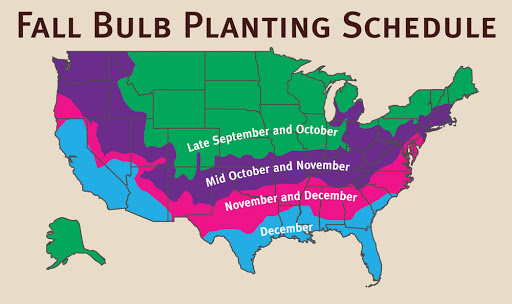
When should I plant Narcissi Butterfly 'Orangery'?
Growing and Maintenance Tips for Narcissi Butterfly 'Orangery'
Planting: Plant bulbs in fall, 6 inches deep and 4 to 6 inches apart, with the pointed end up. These daffodils are best planted in groups for a full, dramatic effect.
Location: Full sun to partial shade. Ideal for borders, naturalized areas, and cutting gardens.
Soil: Well-drained, moderately fertile soil with a slightly acidic to neutral pH (6.0–7.0). Enrich with compost or leaf mold.
Watering: Water after planting and during active spring growth. Once foliage yellows, reduce watering—bulbs prefer dry summer dormancy.
Temperature: Hardy in USDA zones 3–9. Requires a winter chill to bloom reliably.
Fertilization: Apply compost or a low-nitrogen fertilizer in fall and again in early spring.
Pruning: Allow foliage to die back naturally to feed the bulb. Remove spent flower stalks for tidiness.
Propagation: Naturalizes by offsets. Divide clumps every 4 to 5 years in summer when dormant.
Pest & Disease: Deer- and rodent-resistant. Good drainage prevents bulb rot.


Check back soon for additional details.