
I have worked with A.D.R. Bulbs for almost 5 years now, and my company has sourced bulbs with them for longer than that. Communication is great - from ordering, to deliveries, to follow-ups on final product. I love the quality of the product as well as the service. We plant nearly 100,000 bulbs and A.D.R. keeps the whole process easy for us!
Louise Licata
, Bland Landscaping Co.
« Previous Plant | Next Plant »
Iris germanica 'Island Blush'
Bearded Iris
Bearded Iris ‘Island Blush’ is a tall bearded iris, reaching 40 inches in height. It features soft peach‑pink standards with a warm, glowing undertone, while the falls deepen into rosy coral brushed with a gentle blush near the shoulders. The tangerine‑to‑coral beards add a bright touch of contrast, and the blooms carry a light, sweet fragrance. A mid‑season bloomer, it brings warm, tropical‑toned color to the garden just as the iris season reaches its peak.
Thriving in full sun to part shade, ‘Island Blush’ prefers well‑drained, humus‑rich soil and is deer‑resistant. Though it is not a reblooming variety, its luminous coloration, graceful form, and dependable performance make it a lovely addition to perennial beds, mixed borders.
| Description | Price | |||
|---|---|---|---|---|
| Bin Display Box of 15 Roots, Size #1 Rhizome | $56.25 | |||
Get Notified When Back In StockComplete this form and we'll notify you when SKU BIN1000411 is restocked. | ||||
| Bulk Tray of 100 Roots, Size #1 Rhizome |
SALE! $285.00 |
|||
Get Notified When Back In StockComplete this form and we'll notify you when SKU BUL11000791 is restocked. | ||||
Iris germanica Calculator
When should I plant Iris germanica 'Island Blush'?
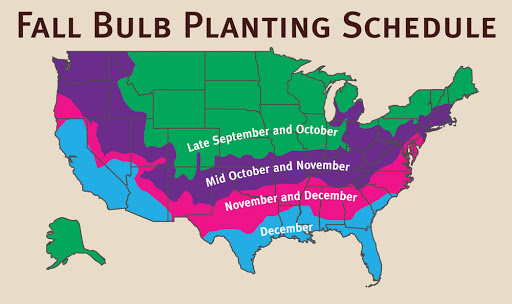
Growing and Maintenance Tips for Iris germanica 'Island Blush'
Planting: Plant rhizomes in late summer to early fall or early spring. Set them horizontally with the top of the rhizome just at or slightly above soil level. Space 12 to 24 inches apart for good air circulation.
Location: Full sun is ideal (6+ hours daily). In hot climates, light afternoon shade helps prevent leaf scorch.
Soil: Well-drained, moderately fertile soil with a neutral to slightly acidic pH (6.0–7.0). Avoid heavy or soggy soils—add grit or compost to improve drainage.
Watering: Water after planting and during dry spells. Once established, bearded irises are drought-tolerant and prefer drier conditions.
Temperature: Hardy in USDA zones 3–9. Tolerates cold winters and summer heat.
Fertilization: Apply a low-nitrogen fertilizer (e.g., 5-10-10) in early spring and again after blooming. Avoid overfeeding.
Pruning: Remove spent flower stalks and yellowing leaves. Cut foliage to 6 inches in late fall to reduce overwintering pests.
Propagation: Divide rhizomes every 3 to 4 years in late summer to maintain vigor and prevent overcrowding.
Pest & Disease: Watch for iris borers, soft rot, and leaf spot. Good drainage and air circulation help prevent issues.




Check back soon for additional details.