
Over 100,000 daffodil bulbs have been planted in the City of White Plains since 2014 when White Plains Beautification Foundation started The Daffodil Project. With the expertise of Walter & Chris Ruigrok from A.D.R. Bulbs our public spaces have dazzled with daffodils. A.D.R. offers a wonderful range of choices and excellent quality bulbs at competitive pricing, and supported by excellent customer service. WPBF values its long-standing relationship with A.D.R. Bulbs.
Joanna Daddario
, White Plains Beautification Foundation
« Previous Plant | Next Plant »
Crocus 'Autumn Flowering 'Sativus'
Saffron
Crocus sativus, commonly known as saffron crocus, reaches 4 to 6 inches tall, featuring lilac-purple blooms with three vivid red stigmas, which are harvested as the prized spice saffron. This autumn-blooming perennial thrives in full sun to part shade, preferring gritty, well-drained soil and dry summers for optimal growth.
Ideal for herb gardens, rock gardens, and borders, it is drought-tolerant and requires careful harvesting, as it takes 75,000 flowers to produce one pound of saffron.
Crocus Calculator
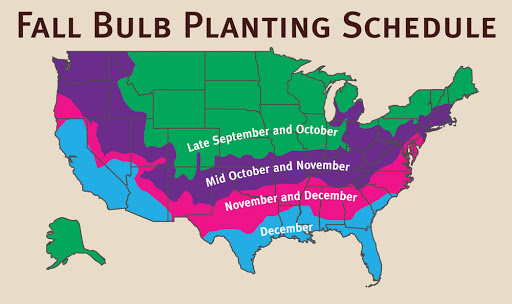
When should I plant Crocus 'Autumn Flowering 'Sativus'?
Growing and Maintenance Tips for Crocus 'Autumn Flowering 'Sativus'
Planting: Plant corms in late summer to early fall, about 4 inches deep and 4 to 6 inches apart, with the pointed end facing up. Choose a sunny, well-drained site—raised beds or sandy soils are ideal to prevent rot.
Location: Requires full sun (6+ hours daily). Ideal for Mediterranean-style gardens or sunny borders.
Soil: Prefers loose, sandy or loamy soil rich in organic matter. Neutral to slightly alkaline pH (6.5–8.0) is best.
Watering: Water lightly after planting, then sparingly during growth. Overwatering can cause corm rot—aim for about ½ inch of water weekly.
Temperature: Hardy in USDA zones 6–9. In colder zones, lift corms after foliage dies back and store in a cool, dry place.
Fertilization: Apply compost or a low-nitrogen fertilizer after planting. Avoid high-nitrogen feeds, which promote foliage over flowers.
Pruning: Allow foliage to yellow and die back naturally after blooming to replenish the corm.
Propagation: Divide corms every 3 to 5 years in summer when dormant.
Pest & Disease: Generally pest-free. Avoid planting in areas previously used for other Iridaceae to reduce disease risk.
Plant Characteristics
Additional Information
| Height | 4 Inches |
| Spread | 2-4 Inches |
| Spacing | 2-4 Inches |
| Hardiness Zone | 3-8 |
| Color |
Lavender |


Check back soon for additional details.